The Interconnected Crisis of Animal Welfare and Human Compassion
January 5, 2025 - 23:17
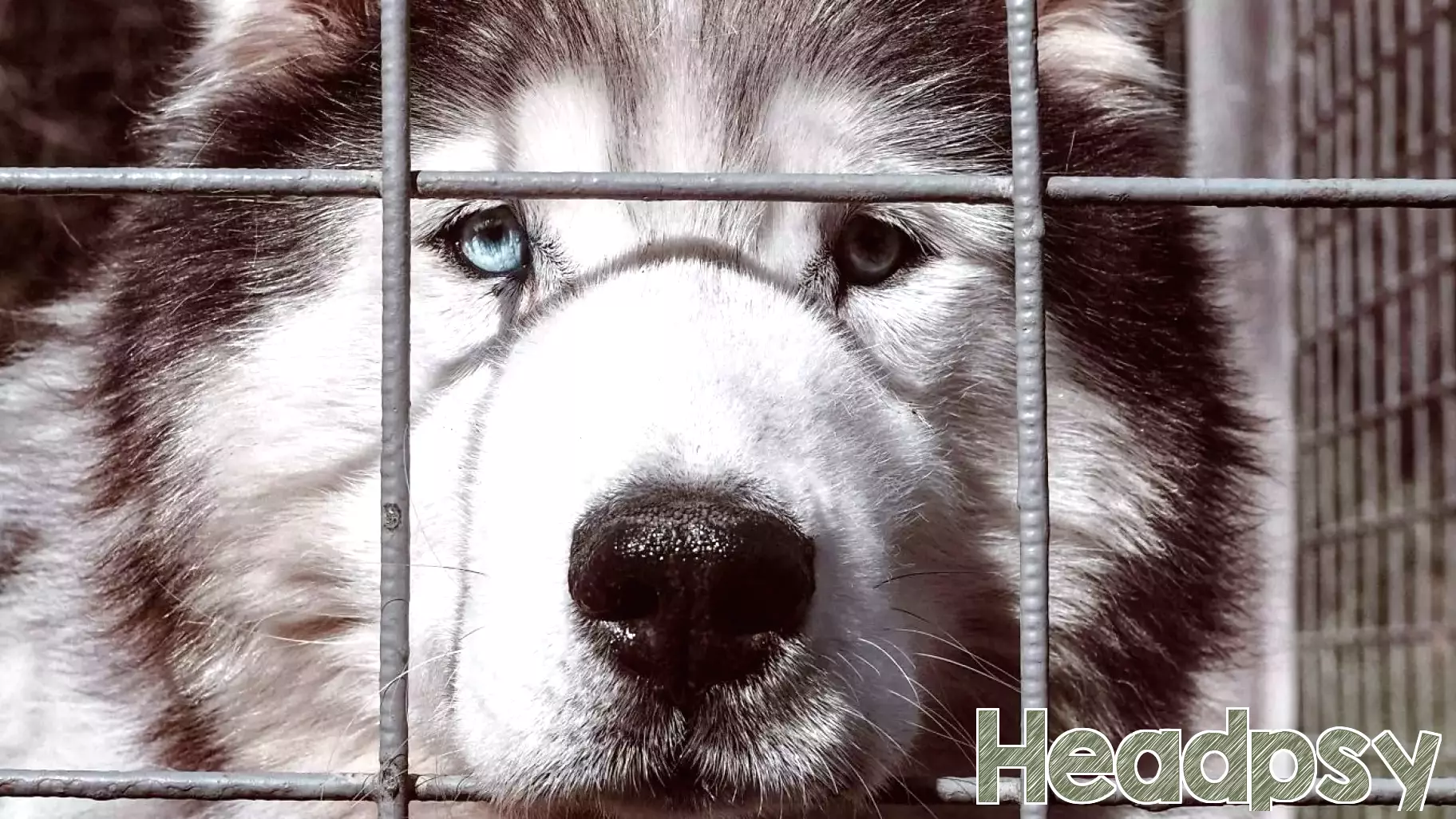
The well-being of nonhuman animals and humans is inextricably linked, and the current state of animal welfare presents a significant existential crisis. As instances of animal abuse continue to rise globally, the impact on both animal and human communities becomes increasingly profound. The emotional toll on those who care for abused animals often leads to compassion fatigue, a state of emotional exhaustion that can affect mental health and overall well-being.
This crisis highlights the urgent need for a comprehensive approach to animal welfare, recognizing that the suffering of animals can mirror and exacerbate human distress. As communities grapple with the repercussions of neglect and abuse, the ripple effects can be felt in various sectors, from healthcare to social services.
Addressing these intertwined issues requires a collective effort to promote empathy and understanding towards all living beings. By fostering a culture of compassion, society can work towards alleviating the burdens faced by both animals and the individuals dedicated to their care.
MORE NEWS

October 27, 2026 - 05:05
Life Narratives Could Hold Clues to Psychopathic Traits, Study FindsA study of 451 adults conducted at the University of Mississippi suggests that the core dimensions of psychopathy leave distinct and context-dependent patterns in the words people use. Researchers...

October 26, 2026 - 05:28
Video Games as a Route to Self-DiscoveryYour avatar may express parts of yourself you keep hidden in daily life. That idea sits at the center of a growing conversation about what games actually do for the people who play them. Far from...

October 24, 2026 - 22:42
The Hidden Costs of Keeping Things Casual`We`re just dating.` It is a phrase heard often enough that few people stop to question what it actually means. A growing body of research suggests the ambiguity built into casual dating...

October 24, 2026 - 14:56
Kennesaw State Faculty Offer Insight into Halloween Traditions and FearsAs Halloween approaches, experts at Kennesaw State University are sharing their knowledge on everything from why people enjoy being frightened to the economic forces behind the holiday. Their...