Ongoing Mental Health Crisis Amid COVID-19 Pandemic
December 21, 2024 - 00:19
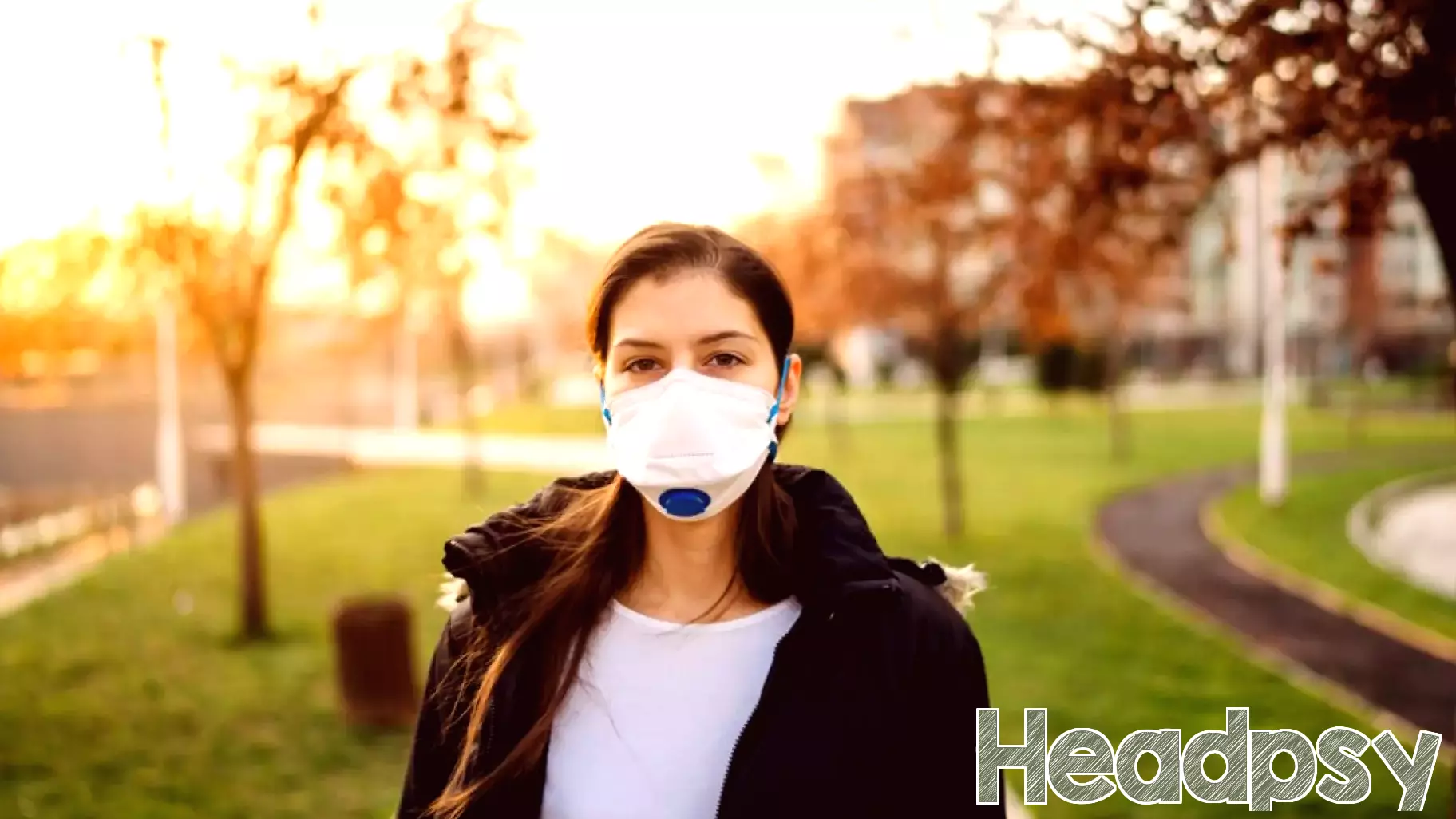
A large new study examining the impact of COVID-19 on the mental health of Americans reveals a persistent crisis that continues to affect countless individuals. The research highlights alarming trends in anxiety, depression, and other mental health issues that have emerged since the onset of the pandemic.
Many Americans report feeling isolated and overwhelmed, with significant numbers expressing concerns about their emotional well-being. The study indicates that the pandemic has exacerbated pre-existing mental health conditions while also introducing new challenges for those who previously had no mental health issues.
Experts emphasize the need for comprehensive support systems to address these growing mental health concerns. The findings point to the importance of accessible mental health resources and the necessity for ongoing research to better understand the long-term effects of the pandemic on psychological well-being. As the nation continues to navigate the complexities of recovery, addressing mental health must remain a priority.
MORE NEWS

October 26, 2026 - 05:28
Video Games as a Route to Self-DiscoveryYour avatar may express parts of yourself you keep hidden in daily life. That idea sits at the center of a growing conversation about what games actually do for the people who play them. Far from...

October 24, 2026 - 22:42
The Hidden Costs of Keeping Things Casual`We`re just dating.` It is a phrase heard often enough that few people stop to question what it actually means. A growing body of research suggests the ambiguity built into casual dating...

October 24, 2026 - 14:56
Kennesaw State Faculty Offer Insight into Halloween Traditions and FearsAs Halloween approaches, experts at Kennesaw State University are sharing their knowledge on everything from why people enjoy being frightened to the economic forces behind the holiday. Their...

October 23, 2026 - 21:27
The psychological impact of the seemingly endless rain - and how to stay positiveWeeks of gray skies and constant drizzle are wearing people down, and mental health experts say the effect is genuine. When sunshine is scarce, the body produces less serotonin and more melatonin,...