Addressing the Hidden Scars of Combat: The Promise of Psychedelic Therapies
December 7, 2024 - 08:20
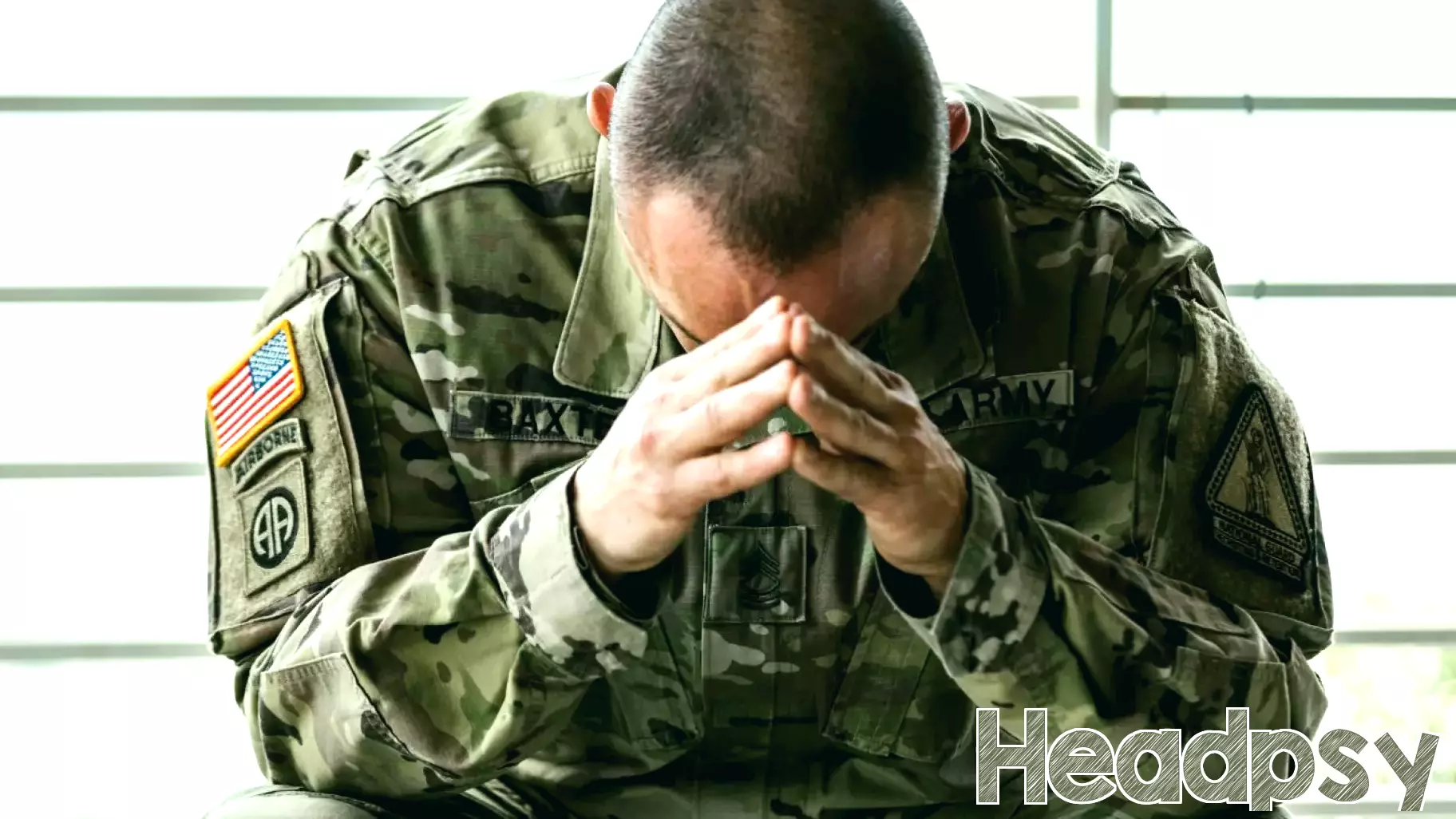
Moral injury, a condition that arises from the deep ethical conflicts faced by military personnel during combat, remains a largely overlooked aspect of mental health care for veterans. Unlike post-traumatic stress disorder (PTSD), which is often more recognized and discussed, moral injury involves feelings of guilt, shame, and a profound sense of betrayal that can haunt service members long after the physical battles have ended.
Recent discussions in the mental health community have begun to explore the potential of psychedelic therapies as a means to address these invisible wounds. Emerging research suggests that substances like psilocybin and MDMA may facilitate profound emotional breakthroughs, allowing individuals to confront and process their moral injuries. These therapies could provide a pathway to self-forgiveness and healing, offering veterans a chance to reconcile their experiences and regain a sense of purpose.
As the stigma surrounding mental health in the military begins to diminish, the exploration of innovative treatments like psychedelics could represent a significant advancement in the care and support of those who have served. The journey toward healing is complex, but with continued research and openness to new approaches, there is hope for a brighter future for veterans grappling with the burdens of moral injury.
MORE NEWS

October 26, 2026 - 05:28
Video Games as a Route to Self-DiscoveryYour avatar may express parts of yourself you keep hidden in daily life. That idea sits at the center of a growing conversation about what games actually do for the people who play them. Far from...

October 24, 2026 - 22:42
The Hidden Costs of Keeping Things Casual`We`re just dating.` It is a phrase heard often enough that few people stop to question what it actually means. A growing body of research suggests the ambiguity built into casual dating...

October 24, 2026 - 14:56
Kennesaw State Faculty Offer Insight into Halloween Traditions and FearsAs Halloween approaches, experts at Kennesaw State University are sharing their knowledge on everything from why people enjoy being frightened to the economic forces behind the holiday. Their...

October 23, 2026 - 21:27
The psychological impact of the seemingly endless rain - and how to stay positiveWeeks of gray skies and constant drizzle are wearing people down, and mental health experts say the effect is genuine. When sunshine is scarce, the body produces less serotonin and more melatonin,...